
What to Do When You Inherit a House in Texas
Inheriting a house in Texas can feel like a gift and a burden at the same time. One moment you’re grieving the loss of someone you love, and the next you’re fielding calls from attorneys, family members, and neighbors asking what you plan to do with the property. It’s a lot to process — and making the wrong move early on can cost you time, money, and serious stress.
This guide is for anyone who has inherited a home in the Dallas-Fort Worth area and isn’t sure what comes next. We’ll walk through the most important steps, explain your options in plain language, and help you figure out what path makes the most sense for your situation — including some options most people never hear about until it’s too late.
Step 1: Don’t Rush — But Don’t Ignore It Either
The first thing most people do when they inherit a house is nothing. That’s understandable — you’re dealing with grief, and making major financial decisions doesn’t feel like a priority. But inherited properties come with carrying costs that don’t pause for your emotions. Property taxes, homeowner’s insurance, utilities, and maintenance keep adding up whether you’re actively managing the house or not.
You don’t have to make any permanent decisions right away, but you do need to get informed. Start by securing the property — make sure it’s locked, the utilities are in order, and nobody is accessing it without authorization. Then take a breath and start gathering information.
Step 2: Understand the Probate Process in Texas — And When You Can Skip It
In Texas, most inherited properties go through probate — the legal process by which a deceased person’s estate is administered and assets are transferred to heirs. Whether or not probate is required depends on how the property was titled and whether the deceased left a valid will.
If there is a will, the executor named in the will typically files it with the probate court in the county where the deceased lived. The court validates the will and grants the executor the legal authority to manage and distribute the estate — including the home. This process can take anywhere from a few months to over a year depending on the complexity of the estate and how backed up the local courts are.
If there is no will, Texas intestacy laws determine who inherits the property. In most cases this means a spouse, children, or other close relatives — but the court still needs to appoint an administrator and formally transfer the title before anyone can legally sell the home.
One important thing to understand: you cannot sell an inherited property in Texas until you have the legal authority to do so. If the home is still in the deceased’s name and probate hasn’t been completed, any sale attempt will stall at the title company. Get the legal piece sorted first — everything else follows from there.
Wait — You May Not Need Full Probate at All
Here’s something most people don’t find out until they’ve already spent thousands of dollars and waited the better part of a year: in Texas, you can often transfer title to an inherited property without going through the full probate process. This is one of the most important things to understand before you hire a probate attorney and resign yourself to a nine-month wait.
Texas law allows heirs to transfer real property using a legal document called an Affidavit of Heirship — and in the right circumstances, it’s faster, cheaper, and far less stressful than formal probate.
What Is an Affidavit of Heirship?
An Affidavit of Heirship is a sworn legal document that establishes who the rightful heirs of a deceased person are. It is signed by two disinterested witnesses — people who knew the deceased but have no financial interest in the estate — and notarized. Once properly executed and filed with the county deed records, it creates a chain of title that allows the heirs to sell, transfer, or refinance the property without going through probate court.
Think of it as a shortcut that the Texas legislature built into the system specifically for situations where the estate is straightforward and the family relationships are clear. Instead of paying a probate attorney $3,000–$8,000 or more and waiting for a judge to rule, heirs can often accomplish the same title transfer for a few hundred dollars in filing fees — sometimes even less if they work with a title company or real estate attorney who handles these routinely.
When Can You Use an Affidavit of Heirship in Texas?
Not every situation qualifies, but many do. The Affidavit of Heirship is generally appropriate when:
- The deceased did not leave a will, or left a will that was never formally probated
- The estate is relatively simple — primarily real property with no major business interests, large investment accounts, or complex debts
- There is no dispute among the heirs about who is entitled to the property
- The property has been in the deceased’s name for at least four years (some title companies require this)
- Two credible witnesses who knew the deceased personally and have no stake in the estate are available to sign
It’s worth noting that having a valid will actually makes this process even cleaner — a will combined with an Affidavit of Heirship (or a Muniment of Title filing, which is another simplified Texas probate option for estates with a will and no unpaid debts) can get title transferred quickly and inexpensively. The common misconception is that you always need a full probate proceeding. In many cases, you don’t.
What Are the Limitations?
The Affidavit of Heirship is not a universal solution. There are situations where full probate is genuinely necessary — for example, if the estate has significant debts that need to be formally administered, if there are disputes among heirs, if the deceased owned a business or had complex assets, or if a lender requires a formal court order before releasing a mortgage lien. Some title companies are also more conservative than others about accepting Affidavits of Heirship, particularly on older estates.
The bottom line: before you assume you need to spend months and thousands of dollars in probate court, talk to a title company or a real estate attorney who works with inherited properties regularly. Ask specifically about the Affidavit of Heirship option. You may be surprised at how much simpler your situation is than you thought.
At DFW I Buy Houses, we’ve worked through both paths — full probate and Affidavit of Heirship — with heirs across the Metroplex. We can help you understand which route applies to your situation and connect you with the right professionals to get it done efficiently. Call Shannan at 469-361-4402 and we’ll walk through it with you at no charge.
Step 3: Assess the Condition of the Property
Before you decide what to do with an inherited home, you need to know what you’re actually dealing with. Schedule a walk-through — ideally with someone who can give you an honest assessment of the property’s condition. Look for signs of deferred maintenance, water damage, foundation issues, roof problems, and anything that would need to be addressed before a traditional buyer would consider making an offer.
In our experience working with inherited properties across the DFW Metroplex, the condition varies enormously. Some inherited homes are well-maintained and could list on the market tomorrow. Many others have been lived in by elderly owners for decades without updates, and others have been vacant long enough to develop serious issues — broken windows, roof leaks, pest intrusion, even squatters.
Knowing the condition of the property upfront helps you make a realistic decision about your options — and avoids surprises down the road.
A Real Example: 1317 Walnut Street
One of the most memorable inherited properties we’ve purchased was a 1932 craftsman bungalow at 1317 Walnut Street. The home was nearly 100 years old, full of character, and hadn’t been significantly updated in decades. The heirs were dealing with a property that needed a complete overhaul — electrical, foundation, roof, and years of accumulated belongings left behind. None of that stopped us from making a fair cash offer the same day we walked through it.
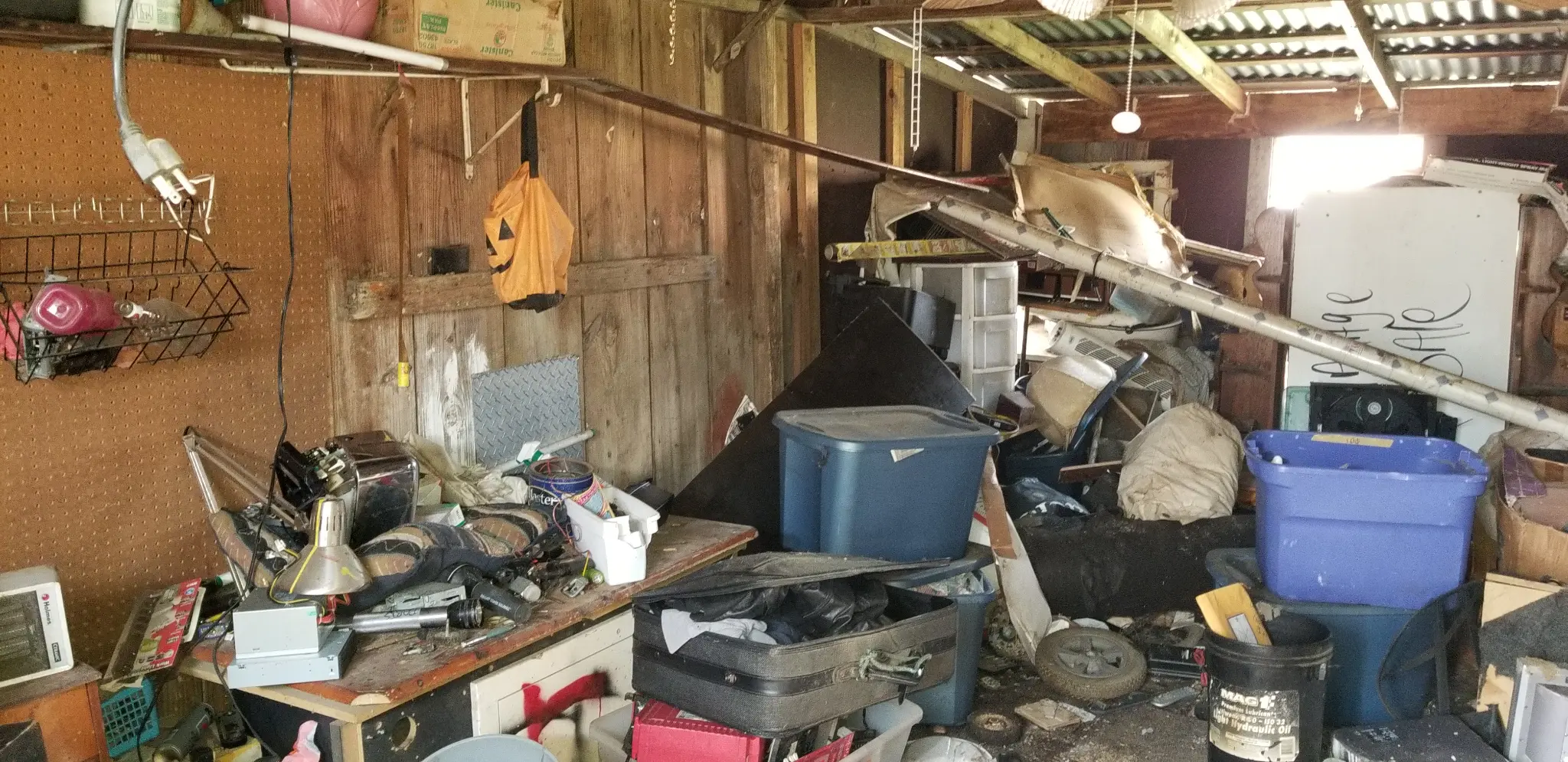
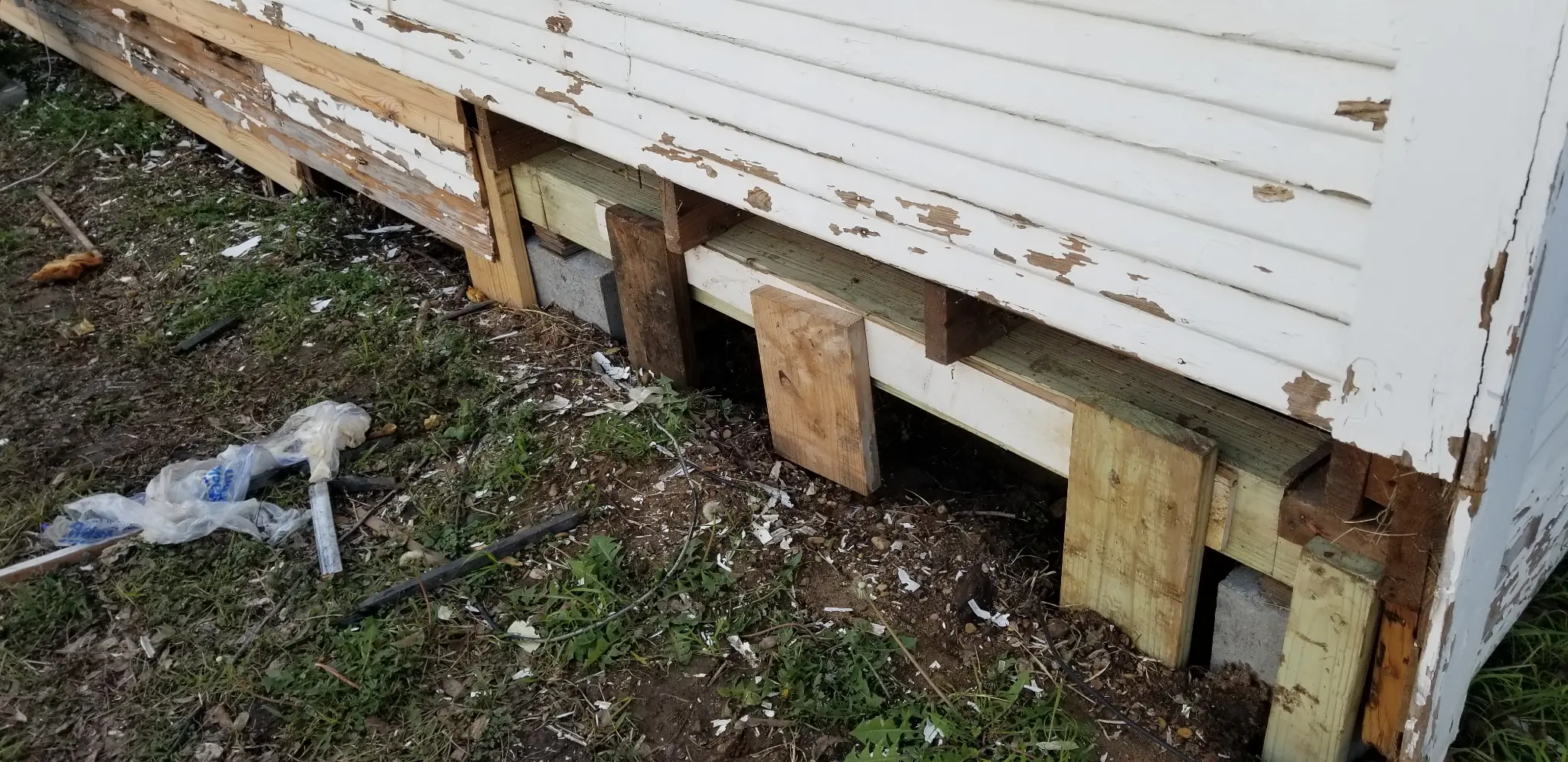
Old houses with character don’t scare us. Properties coming out of probate or an estate are often in this exact condition — deferred maintenance, structural issues, belongings still inside. We’ve seen it all, and we make our offer based on the property as-is. You don’t repair a thing.
Step 4: Know Your Three Main Options
Once the title question is resolved and you understand what the property looks like, you have three realistic paths forward.
Option 1: Sell the Home
Selling is the most common choice, especially for heirs who live out of state, have no use for the property, or simply don’t want the ongoing responsibility of managing it. You have two ways to sell: list it on the open market with a real estate agent, or sell it directly to a cash buyer like DFW I Buy Houses.
Listing the home gives you broader market exposure and potentially a higher sale price — but it also requires repairs, showings, agent commissions, and a closing timeline that can stretch for months. If the home is in poor condition, you may need to spend significant money bringing it up to a marketable standard before any traditional buyer will make a serious offer.
Selling directly for cash skips all of that. You sell the home as-is, close on a timeline you choose, and pay no real estate commissions coming out of the proceeds. The offer will reflect the condition of the property, but many heirs find that after factoring in repair costs, agent fees, and carrying costs during a traditional listing, the net difference is smaller than they expected — and the simplicity is worth it.
Option 2: Keep the Home
Some heirs choose to keep the inherited property — moving in themselves or holding it as a long-term investment. This can make sense if the home is in good condition, the location is desirable, and you have the financial resources to maintain it. Before going this route, make sure you understand the ongoing costs: property taxes, insurance, maintenance, and any HOA fees. Also consider whether the mortgage (if there is one) can be assumed or needs to be refinanced in your name.
Option 3: Rent It Out
If you’re not ready to sell but don’t want to move in, renting the property is a middle path. A rental generates income and keeps the asset in the family while you figure out a longer-term plan. The downside is that being a landlord comes with real responsibilities — tenant screening, maintenance, legal compliance, and the occasional difficult situation. If the property needs work before it would be rentable, you’ll also need to factor in those upfront costs.
What If There Are Multiple Heirs?
Inherited properties become significantly more complicated when multiple heirs are involved. If you and your siblings — or other family members — jointly inherit a home, all parties typically need to agree on what to do with it. This is where family dynamics can make an already difficult situation even harder.
If heirs can’t agree, Texas law does allow for a partition action — a legal process where a court can force the sale of the property and divide the proceeds. It’s a last resort, but it’s worth knowing it exists if negotiations break down.
In our experience, the best outcomes happen when one family member takes the lead on communication, gets a clear picture of the property’s value and condition, and presents the other heirs with a concrete set of options rather than an open-ended discussion. Having a number on the table — even a cash offer — often moves things forward when abstract conversations stall.
What About Back Taxes or Liens?
Inherited properties sometimes come with financial baggage attached to the title — unpaid property taxes, contractor liens, or other claims against the property. These don’t go away when ownership transfers. In most cases they’ll need to be resolved at or before closing, either paid off from the sale proceeds or negotiated with the lienholder.
If you’re not sure whether the property has any liens or back taxes, a title company can run a title search and give you a clear picture. Don’t skip this step — discovering a lien after you’ve already made plans can delay or derail a sale.
We’ve Helped Dozens of Texas Families Navigate Inherited Properties
At DFW I Buy Houses, inherited homes are one of the most common situations we work with. We’ve helped heirs who live across the country and have never seen the property in person. We’ve worked alongside probate attorneys to coordinate closings once the court order comes through. We’ve helped families avoid unnecessary probate costs by pointing them toward the Affidavit of Heirship process when their situation qualified. And we’ve bought homes that were in serious disrepair — roofs leaking, foundations cracked, years of belongings left behind.
You can read one real example here: How We Helped Judith Sell Her Late Brother’s Probate Home in Arlington, TX.
We don’t rush you. We don’t pressure you. We give you a fair cash offer, explain exactly what we can do, and let you make the decision that’s right for your family.
If you’ve inherited a home in the Dallas-Fort Worth area and you’re trying to figure out your next step, call Shannan at 469-361-4402. There’s no obligation and no cost to having a conversation. We’re happy to walk through the situation with you and help you understand your options — whether you ultimately sell to us or not.
You can also reach us through our website at dfwibuyhouses.com. We serve the entire DFW Metroplex and we’re familiar with the probate process in Dallas County, Tarrant County, Collin County, Denton County, and the surrounding areas.
Inheriting a house doesn’t have to be overwhelming. Call 469-361-4402 and let’s figure it out together.
Get Your Free Cash Offer Today
No repairs. No commissions. No hassle. Close in as little as 7 days.
Related: Also read: Sell a House in Probate in Texas
Get Your Free Offer TODAY!
Fill In This Form To Get Your No-Obligation All Cash Offer Started!